
How to Ferment Feed for Goslings: Our Simple Homestead Method
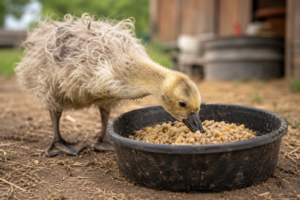
There is rarely a quiet breakfast here at Cumberlachia Homestead, especially when four hungry Sebastopol goslings are involved.
The moment they see the feed bucket, they begin honking, flapping and carrying on as though they have not eaten since the Great Depression. Since geese are enthusiastic eaters, I am always looking for practical ways to provide them with a wholesome diet while keeping feed waste under control.
One method we have been trying is fermenting their regular waterfowl feed.
Fermented feed is simply feed that has been soaked in water and allowed to develop a mild, naturally sour fermentation before it is served. The process is similar in spirit to making sourdough, except this batch is destined for a crowd wearing webbed feet.
Why Ferment Feed for Goslings?
Some homesteaders use fermented feed because soaking softens pellets or crumbles, creates a texture birds enjoy and may make the feed easier for them to consume.
It may also reduce some of the dusty feed left at the bottom of the feeder.
However, fermented feed should not replace a nutritionally complete waterfowl ration. A complete commercial feed is carefully balanced, and adding too many grains or other ingredients can dilute that balance. Mississippi State University Extension notes that mixing additional ingredients into a complete poultry feed can upset its nutrient balance.
For growing goslings, I prefer fermenting their regular waterfowl grower pellets or crumbles rather than fermenting scratch grains alone.
Scratch, cracked corn and other grains are treats or supplements. They are not complete diets for young, rapidly growing geese.
What You Will Need
You only need a few basic supplies:
- A clean glass jar, ceramic crock or food-grade plastic container
- Complete waterfowl grower feed
- Clean water
- A clean spoon
- A loose-fitting lid or breathable cover
Avoid using aluminum or other reactive metal containers.
Choose a container that is larger than you think you will need. The feed absorbs water, swells and occasionally attempts to escape the jar like a slow-moving grain monster.
How to Ferment Gosling Feed
Step 1: Add the feed
Place approximately 2 cups of dry waterfowl feed into your container.
Start with a small batch until you know how much your goslings will eat during one feeding.
Step 2: Add water
Pour enough clean water over the feed to cover it by approximately one inch.
The feed will absorb quite a bit of water during the first several hours. Check it occasionally and add more water when needed.
The feed should remain thoroughly wet. Do not allow a thick layer of dry feed to sit above the water.
Step 3: Stir well
Stir the mixture thoroughly, making sure there are no dry pockets at the bottom of the container.
Stir it again at least once or twice each day.
Step 4: Cover it loosely
Place a lid loosely on the container or cover it with a clean breathable cloth.
Do not tightly seal an actively fermenting jar because gases may build inside the container.
Step 5: Let it ferment
Allow the mixture to sit for approximately 24 to 48 hours at a moderate indoor temperature.
During hot Appalachian summers, I do not leave fermented feed sitting outside in the sun. Heat and excessive moisture can encourage undesirable mold and spoilage.
Step 6: Check the smell and appearance
Properly fermented feed should have a mildly sour, yeasty or bread-dough aroma. You may also notice small bubbles.
It should not smell rotten, putrid, rancid or like something that crawled under the chicken coop and reconsidered all its life choices.
When there is any doubt, throw it out.
Step 7: Drain and serve
Drain off excessive liquid or add enough feed to create a thick, oatmeal-like consistency.
I prefer serving it thick rather than soupy. Our geese are perfectly capable of turning clean water into a mud puddle without receiving any additional encouragement.
How Much Fermented Feed Should Goslings Eat?
Begin by offering only a small amount.
For the first couple of days, you can offer approximately:
- 25 percent fermented feed
- 75 percent of their usual unfermented feed
Gradually increase the fermented portion if the goslings continue eating normally and their droppings remain reasonably consistent.
You do not have to ferment every meal. One fermented feeding each day is plenty for many small homestead flocks.
The remainder of their diet can continue to include their regular complete feed, appropriate greens and safe opportunities to graze.
Always Provide Fresh Drinking Water
Goslings must always have access to fresh drinking water.
Their water should be deep enough for them to dip and rinse their entire bills and nostrils. This is especially important when feeding moist or sticky food.
Keep feed containers away from dirty standing water and wild birds whenever possible. Waterfowl can carry and spread avian influenza, and good biosecurity includes protecting domestic poultry feed and feeding areas from wild bird contamination.
Do Not Leave Wet Feed Sitting Out
Only serve as much fermented feed as the goslings can finish within approximately 20 to 30 minutes, especially during warm weather.
Remove and discard leftovers instead of allowing wet feed to sit in the feeder all day.
University of Minnesota Extension recommends removing wet feed and keeping poultry areas dry to help control pests, odor and sanitation problems.
Clean the feeding dish after each fermented meal. Wet feed stuck in corners can quickly sour, mold and attract flies.
When to Throw Fermented Feed Away
Discard the entire batch when you notice:
- Fuzzy mold
- Pink, orange, green, blue or black growth
- A rotten or putrid smell
- Fly or maggot activity
- Contamination from manure
- An unusual slimy texture accompanied by a bad odor
- Feed that became excessively hot or sat outdoors too long
Never scrape mold from the top and feed what remains underneath.
Molds can produce harmful compounds called mycotoxins. Poultry are particularly sensitive to some mycotoxins, and contamination may not always be limited to the mold you can see.
When in doubt, feed it to the compost pile, not the goslings.
Can You Add Brewer’s Yeast?
Brewer’s yeast can be mixed into the finished fermented feed immediately before serving when it is being used as part of an appropriate feeding plan.
I would not depend on the fermentation process alone to supply all the vitamins and minerals growing goslings require. Their complete waterfowl feed should remain the nutritional foundation.
Supplements should be used carefully because adding too much of any single nutrient does not necessarily create a healthier ration.
Can You Ferment Scratch Grains?
Scratch grains can technically become soaked or fermented, but I would not use fermented scratch as the main meal for goslings.
Scratch grain is not nutritionally complete.
A little grain may be offered as a treat once the goslings are old enough and are already receiving a balanced diet, but the majority of their concentrated feed should remain an age-appropriate waterfowl ration.
Our Simple Two-Jar Fermentation System
For our four Sebastopol goslings, a simple two-container rotation works well.
Jar One
This is the batch being served today.
Jar Two
This is tomorrow’s batch, soaking and fermenting.
After serving Jar One, wash it thoroughly and prepare the next batch in it. Rotating the containers keeps the process manageable and makes it less likely that old feed will accumulate at the bottom.
I prefer preparing fresh batches regularly instead of keeping one endless fermentation bucket going indefinitely.
Fresh, clean and simple usually wins on the homestead.
Final Thoughts From Cumberlachia Homestead
Fermenting gosling feed does not have to be complicated.
Start with a clean container, use a complete waterfowl feed, add clean water and prepare only as much as your goslings will eat promptly.
Watch the smell, appearance and temperature carefully. Discard anything suspicious, keep the feeding dishes clean and continue providing fresh drinking water and a balanced diet.
Our Sebastopol goslings may behave like breakfast has been delayed for three full winters, but they seem to enjoy fermented feed immensely.
And around here, happy geese, clean feeders and fewer wasted crumbs count as a mighty fine homestead victory.
This article shares our personal homestead practices and is provided for general educational purposes. Consult an avian veterinarian or qualified poultry nutrition professional when your goslings have health problems, leg weakness, poor growth or special nutritional needs.
Be the first to comment