
Wild Elderberries on the Homestead: How to Harvest, Store, and Use Them Safely
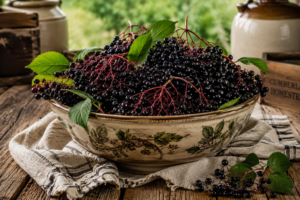
There is something special about finding food growing wild on your own land. No seed catalog, no garden row, and no fussing over it with a watering can. It simply shows up, puts down roots, and waits for you to notice.
That is exactly what happened here at Cumberlachia Homestead when I discovered wild elderberries growing along our Appalachian hillside.
Those clusters of tiny, deep-purple berries may not look like much at first glance, but they can be turned into homemade syrup, jelly, tea blends, baked goods, and other pantry treasures. The trick is knowing when to pick them, how to store them, and how to prepare them safely.
So grab a basket and keep an eye out for the birds. Let’s gather some elderberries before the cardinals hold a family reunion in the bush.
Important safety note: Elderberries should be correctly identified and properly cooked before eating. Raw or unripe berries, along with the leaves, bark, and stems, contain compounds that may cause nausea, vomiting, and diarrhea.
Identifying Wild Elderberries
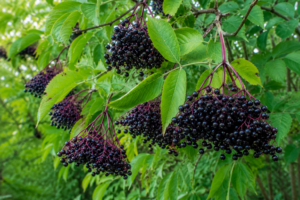
American elderberry, Sambucus canadensis, is a native shrub commonly found in moist areas, woodland edges, creek banks, fence rows, and disturbed ground.
That makes our creekside, woodsy Tennessee homestead just about perfect elderberry country.
Look for:
- Large, flat clusters of small white flowers in late spring or early summer
- Clusters of berries that ripen from green to reddish-purple and finally deep purple or nearly black
- Compound leaves with several finely toothed leaflets
- Multiple woody stems growing together as a shrub
Never harvest a wild plant unless you are completely confident in its identification. Elderberry can be confused with other plants, and a “probably” is not good enough when something is headed toward the kitchen.
When Are Elderberries Ready to Harvest?
Elderberries do not always ripen at the same time, even when they are growing on the same bush.
Harvest when:
- Most of the berries in the cluster are deep purple or nearly black
- The berries look plump and juicy
- The stems supporting the berries have begun turning reddish-purple
- The entire cluster bends downward from the weight of the ripe fruit
Leave clusters containing mostly green or pale berries for another day. Fully ripe, deep-purple fruit is the goal.
A pair of garden snips makes harvesting easier. Cut the entire cluster rather than trying to pick individual berries while standing beside the bush. The birds may be judging your technique, but they rarely offer useful help.
Share a Little With the Wildlife
Elderberries are valuable food for songbirds and other wildlife, so I never strip a bush completely bare.
Harvest what your family can reasonably use and leave plenty behind. The wild creatures were eating from the homestead long before we arrived, and they do not accept rain checks.
Leaving some berries also allows seeds to spread naturally, which may give you additional elderberry plants in future years.
How to Prepare Fresh Elderberries
Once the clusters are inside, remove:
- Leaves
- Large and small stems
- Green berries
- Damaged or moldy berries
- Insects and debris
One of the easiest ways to remove the berries is to freeze the whole clusters first. Once frozen, the berries often come away from the stems much more easily.
You can also gently rake the berries from the stems with clean fingers or a fork.
Rinse the berries under cool running water after they have been removed from the stems, then drain them well.
How to Store Today’s Harvest
When you only gather a small bowl of elderberries, you do not have to make syrup that very minute.
Refrigerating Elderberries
Keep freshly harvested berries unwashed and dry in the refrigerator until you are ready to process them.
Try to use or freeze them within two or three days. Remove any crushed or damaged berries before storage because one spoiled berry can invite its neighbors to join the compost club.
Freezing Elderberries
Freezing is one of the easiest ways to build up enough fruit for a full recipe.
- Remove the stems, leaves, green berries, and damaged fruit.
- Rinse and drain the ripe berries.
- Spread them in a single layer on a baking sheet.
- Freeze until firm.
- Transfer them to a freezer-safe bag or container.
- Label the package with the date and amount.
You can continue adding newly frozen berries to your supply until you have enough for syrup, jelly, or another recipe.
Freezing them separately first keeps them from becoming one enormous purple berry-boulder.
Can Elderberries Be Freeze-Dried?
Since we use our Harvest Right freeze dryer regularly here at Cumberlachia Homestead, freeze-drying elderberries is certainly tempting.
Freeze-drying can preserve the berries’ color, flavor, and structure, but it does not replace the need for proper cooking. Freeze-dried elderberries should still be cooked before eating or added to recipes that receive sufficient heat.
After freeze-drying:
- Check that the berries are completely dry
- Package them immediately in airtight containers or Mylar bags
- Add an appropriately sized oxygen absorber for long-term storage
- Label each package with the contents and date
- Store away from heat, moisture, and direct sunlight
Include a note on the package reminding anyone using them to cook the berries before consuming them. Food-safety guidance also recommends heat treatment before dried elderberries are eaten.
Ways to Use Wild Elderberries
Once properly prepared and cooked, elderberries can become all sorts of homemade goodness.
Elderberry Syrup
Elderberry syrup is probably the best-known way to use the fruit. Recipes commonly combine cooked elderberries with water, spices, and a sweetener.
Elderberry has a long history of traditional use during cold and flu season, but it should not be presented as a cure or replacement for medical care. Research into its benefits is still limited.
Homemade syrup should generally be kept refrigerated or frozen unless you are following a tested preservation recipe.
Elderberry Jelly
Elderberries have a rich, pleasantly tart flavor that works beautifully in jelly.
Because the acidity of elderberries can vary, use a tested elderberry jelly recipe designed for safe home canning rather than inventing your own ingredient ratios. Proper acidification and processing matter when jars will be stored at room temperature.
A jar of elderberry jelly on a hot biscuit is the sort of breakfast that makes store-bought pastries quietly reconsider their career choices.
Elderberry Tea Blends
Cooked or properly dried elderberries can be used in tea blends with ingredients such as:
- Cinnamon
- Ginger
- Cloves
- Lemon peel
- Rose hips
Dried berries should be simmered or otherwise cooked before the tea is consumed, rather than merely soaked briefly in warm water.
Baked Goods
Elderberries can also be incorporated into thoroughly baked recipes such as:
- Muffins
- Quick breads
- Cobblers
- Pies
- Scones
- Fruit crisps
The berries are tart, so they often work best with sugar, apples, blackberries, or other sweeter fruits.
Elderberry Sauce
Cooked elderberries can be made into a sauce for pancakes, biscuits, oatmeal, cheesecake, or vanilla ice cream.
Cook the berries thoroughly, strain if desired, and sweeten to taste. A little lemon juice and cinnamon can brighten the flavor.
Elderberry Vinegar or Shrub
Elderberries can also be used in vinegar-based preparations, but the fruit should still be properly heated, and any shelf-stable recipe should come from a trusted food-preservation source.
What Parts of the Elderberry Plant Should You Avoid?
Do not casually add elderberry leaves, bark, roots, or stems to homemade food or herbal preparations.
For ordinary homestead kitchen use, stick with:
- Correctly identified elderberries
- Fully ripe, deep-purple fruit
- Berries removed from the stems
- Properly cooked recipes
Discard green or unripe berries along with the stems and leaves.
Raw or improperly prepared elderberry plant material may release cyanide-producing compounds and cause gastrointestinal illness.
A Word About Herbal Use
Elderberry is widely sold as an herbal supplement, but “natural” does not automatically mean harmless for every person.
Anyone who is pregnant, breastfeeding, taking medication, managing a medical condition, or preparing elderberry products for a child should discuss regular medicinal use with a qualified healthcare professional. Herbal products may interact with medications, and there is limited safety information for some groups.
The Cumberlachia Method: Pick, Freeze, and Repeat
Wild elderberries rarely hand you the exact amount needed for a recipe all at once.
Our practical homestead method is simple:
Pick what is ripe. Clean it. Freeze it. Repeat until you have enough.
It removes the pressure to process every small harvest immediately and keeps the berries from going to waste.
Before long, those little freezer bags add up to enough fruit for syrup, jelly, baked goods, or a steaming pot of elderberry tea.
From the Hillside to the Pantry
Finding elderberries on the homestead feels like discovering a little pantry already planted by nature.
With careful identification, responsible harvesting, proper storage, and thorough cooking, those glossy purple berries can become something useful for the kitchen while still leaving plenty for the wildlife.
That is one of my favorite things about homestead life. The land is always offering something, but it usually whispers instead of shouting.
Sometimes you simply have to slow down long enough to notice.
Be the first to comment